CanHelp
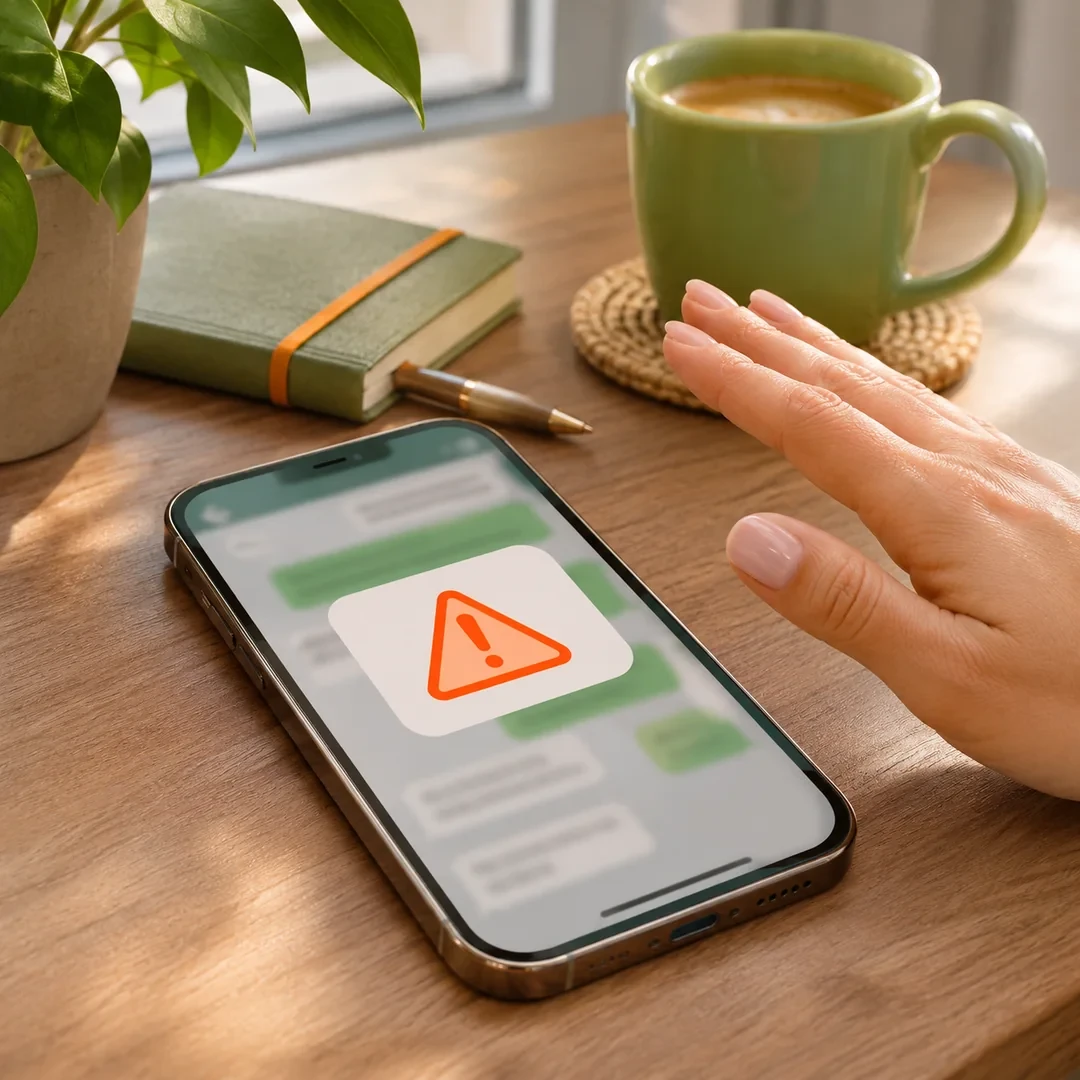
CanHelpWhatsApp job scams: spot the request to pay When you are looking for work in Greece, an advert offering easy earnings for likes or reviews can catch your attention. If the supposed employer moves the conversation to WhatsApp or Telegram and then asks you to pay for “training” or to “withdraw your earnings,” stop before sending anything. Focus on what you are being asked to do and pay, rather than how attractive the offer looks. Look beyond the promise of easy earnings If you are searching for “work from home in Greece” or “part-time work near me,” start with the actual task. Who is requesting the work, what needs doing, and how will payment be agreed? An appealing description of extra income leaves those questions unanswered. In the likes-and-reviews scenario, the key warning is a demand for your money before you can continue or receive the promised earnings. Treat a displayed balance as something to question, rather than a reason to make a payment. Ask for a clear explanation of the work and its payment terms. Messages in a group chat do not resolve those questions either. Return to the terms being offered to you personally. If the conversation keeps moving away from the work and towards a required deposit, stop and reconsider before taking another step. Know what to refuse in a private chat A request to use WhatsApp or Telegram alone does not establish that an advert is fraudulent. Pay particular attention when that request comes with vague duties, pressure to act, and a payment demand. When wondering how to spot a job scam on WhatsApp, examine that combination. Do not send money to unlock earnings supposedly generated by likes or reviews. Keep passwords, verification codes and card details out of the conversation. Do not install an application at a stranger’s request to gain access to your supposed pay. You can reply: “Please describe the work and payment terms in writing. I will not pay to access earnings.” If the response simply repeats the demand, end the discussion. You do not need to argue with the person or persuade them that you have understood the scheme. Ask practical questions about genuine assignments Whether you are looking for work in Athens, searching for local jobs in Piraeus or considering an assignment in Thessaloniki, ask about the location, duties and expected availability. Clear questions help you decide whether the work fits your skills and circumstances. For example, before accepting an assignment in Glyfada, clarify what the client needs and what you should bring. For work in Marousi or Chalandri, establish the location and scope before discussing your availability. Use the same approach for opportunities in Patras, Heraklion or Larissa. If you are a specialist, explain what your service includes and ask about anything missing from the description. If you are a client, describe the task clearly enough for someone to prepare an offer. Keep the agreed details in writing so both sides can refer to the same understanding. Take a pause if you have already engaged If you have already been drawn into the conversation, stop sending money. Do not accept another payment demand as a condition for recovering an earlier payment. Save the advert, messages and transaction details before closing the conversation. If you have paid or shared banking information, contact your bank and explain what happened. If you shared a password, change it through the relevant service. Use the reporting and blocking options available where the contact took place, and avoid following further instructions from the same person. How to arrange a task through CanHelp On CanHelp, clients publish a task free of charge. Nearby specialists see it on the map and send offers. You can review a specialist’s profile and reviews, then agree on the price and time directly in the chat. Use that conversation to clarify the work, ask questions and keep the agreed details together. Price and payment are arranged directly between the client and specialist. Continue examining requests carefully throughout the conversation, including anything that changes the original arrangement. For specialists looking for local work Complete your profile with the services you provide and the areas you cover, then look for nearby tasks. CanHelp charges 0% platform commission. For people registering now, Basic stays free forever. Describe your work clearly and discuss each assignment before accepting it. Frequently asked questions Is every WhatsApp job offer a scam? The messaging app alone does not answer that question. Look at the work, the terms and any demand that you pay before receiving earnings. Should I pay to release earnings from likes? Do not pay to unlock the promised earnings in this scenario. Stop the process and save the conversation. What should I ask before accepting work? Ask about the exact task, location, timing and payment terms. Get clear answers in writing before you proceed. Does a profile settle every concern? Read the profile and reviews alongside the proposed terms. Keep asking questions if anything about the assignment remains unclear. Who arranges payment on CanHelp? The client and specialist agree on price and payment directly. Clarify those details before the work starts. Register at canhelp.gr to discuss clearly described tasks and local services. The CanHelp app is available for Android and iPhone.
← All posts